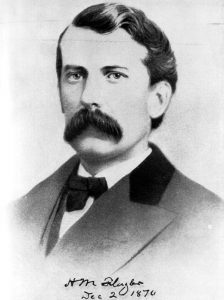
Dennis Kucinich

| Dennis Kucinich | |
|---|---|
 |
|
| Member of the U.S. House of Representatives from Ohio‘s 10th district |
|
| In office January 3, 1997 – January 3, 2013 |
|
| Preceded by | Martin Hoke |
| Succeeded by | Mike Turner |
| Member of the Ohio Senate from the 23rd district |
|
| In office January 3, 1995 – January 2, 1997 |
|
| Preceded by | Anthony Sinagra |
| Succeeded by | Patrick Sweeney |
| 53rd Mayor of Cleveland | |
| In office January 26, 1978 – November 6, 1979 |
|
| Preceded by | Ralph J. Perk |
| Succeeded by | George Voinovich |
| Personal details | |
| Born | Dennis John Kucinich October 8, 1946 Cleveland, Ohio |
| Nationality | American |
| Political party | Democratic Party |
| Spouse(s) | Helen Kucinich (divorced) Sandra Lee McCarthy (1977–1986; divorced) Elizabeth Kucinich (2005–present) |
| Children | Jackie Kucinich |
| Residence | Cleveland, Ohio |
| Alma mater | Cleveland State University Case Western Reserve University |
| Religion | Roman Catholic |
Dennis John Kucinich (/kuːˈsɪnɪtʃ/; born October 8, 1946) was a U.S. Representative, serving from 1997 to 2013. He was also a candidate for the Democratic nomination for President of the United States in the 2004 and 2008 presidential elections.[1]
He was a member of the House Committee on Education and the Workforce.
From 1977 to 1979, Kucinich served as the 53rd mayor of Cleveland, Ohio, a tumultuous term in which he survived a recall election and was successful in a battle against selling the municipal electric utility before being defeated for reelection by George Voinovich.
Through his various governmental positions and campaigns, Kucinich attracted attention for consistently delivering “the strongest liberal” perspective.[2] This perspective has been shown by his actions, such as bringing articles of impeachment against President George W. Bush and Vice President Dick Cheney, and being the only Democratic candidate in the 2008 election to have voted against invading Iraq,[3] although eventual nominee Barack Obama had also opposed the Iraq War at the time it was started, even though he had not been in Congress at the time.
Because of redistricting following the 2010 state elections, Ohio’s 9th congressional district absorbed part ofCuyahoga County, abolishing Kucinich’s district and pitted him against 9th district incumbent Marcy Kaptur in the 2012 Democratic primary, which he lost.[4][5][6][7][8] After serving out the rest of his term, it was announced in mid-January 2013 that the former congressman would become a political analyst and regular contributor on the Fox News Channel, appearing on programs such as The O’Reilly Factor.[9]
Personal life

Kucinich was born in Cleveland, Ohio, on October 8, 1946, as the eldest of the seven children of Virginia (née Norris) and Frank J. Kucinich.[10][11] His father, a truck driver, was of Croat ancestry; his Irish American mother was ahomemaker.[12] Growing up, his family moved 21 times and Dennis was often charged with the responsibility of finding apartments they could afford.[13]
He attended Cleveland State University from 1967 to 1970.[14] In 1973, he graduated from Case Western Reserve University with both a Bachelor and a Master of Arts degree in speech and communication.[15] Kucinich was baptized aRoman Catholic.[14] Kucinich married Sandra Lee McCarthy in 1977; they had a daughter named Jackie in 1981 and divorced in 1986.[16] He married his third wife, Elizabeth Harper, a British citizen, on August 21, 2005. The two met while Harper was working as an assistant for the Chicago-based American Monetary Institute, which brought her to Kucinich’s House of Representatives office for a meeting.[17]
Kucinich was raised with four brothers, Larry, Frank, Gary and Perry; and two sisters, Theresa and Beth Ann. On December 19, 2007, Perry Kucinich, the youngest brother, was found dead in his apartment.[18][19][20] On November 11, 2008, his youngest sister, Beth Ann Kucinich, also died.[21]
In 2011, he sued a Capitol Hill cafeteria for damages after a 2008 incident in which he claimed to have suffered a severe injury when he bit into a sandwich and broke a tooth on an olive pit. The tooth broke and became infected. Complications led to three surgeries for dental work. The law suit, which had claimed $150,000 in punitive damages, was settled with the defendant agreeing to pay for the representative’s costs.[22]
On January 16, 2013, Kucinich joined Fox News Channel as a regular contributor.[23]
Early career
Kucinich’s political career began early. After running unsuccessfully in 1967, Kucinich was elected to the Cleveland City Council in 1969 at the age of twenty-three.[12] In 1972, Kucinich ran for a seat in the United States House of Representatives, losing narrowly to incumbent Republican William E. Minshall, Jr. After Minshall’s retirement in 1974 Kucinich sought the seat again, this time failing to get the Democratic nomination, which instead went to Ronald M. Mottl. Kucinich ran as an Independent candidate in the general election, placing third with about 30% of the vote. In 1975, Kucinich became clerk of the municipal court in Cleveland and served in that position for two years.[24]
Cleveland mayoralty
Kucinich was elected Mayor of Cleveland in 1977 and served in that position until 1979.[25] At thirty-one years of age, he was the youngest mayor of a major city in the United States,[12] earning him the nickname “the boy mayor of Cleveland”.[26] Kucinich’s tenure as mayor is often regarded as one of the most tumultuous in Cleveland’s history.[26][27] After Kucinich refused to sell Muni Light, Cleveland’s publicly owned electric utility, the Cleveland mafia put out a hit on Kucinich. A hit man from Maryland planned to shoot him in the head during the Columbus Day Parade, but the plot fell apart when Kucinich was hospitalized and missed the event. When the city fell into default shortly thereafter, the mafia leaders called off the contract killer.[28]
Specifically, it was the Cleveland Trust Company that suddenly required all of the city’s debts be paid in full, which forced the city into default, after news of Kucinich’s refusal to sell the city utility. For years, these debts were routinely rolled over, pending future payment, until Kucinich’s announcement was made public. In 1998 the Cleveland City Council honored him for having had the “courage and foresight” to stand up to the banks, which saved the city an estimated $195 million between 1985 and 1995.[29]
Post-mayoralty
After losing his re-election bid for Mayor to George Voinovich in 1979, Kucinich initially kept a low profile in Cleveland politics. He criticized a tax referendumproposed by Voinovich in 1980, which voters eventually approved. He also struggled to find employment and moved to Los Angeles, California, where he stayed with a friend, actress Shirley MacLaine.[30] During the next three years, Kucinich worked as a radio talk-show host, lecturer, and consultant.[14] It was a difficult period for Kucinich financially. Without a steady paycheck, Kucinich fell behind in his mortgage payments, nearly lost his house in Cleveland, and ended up borrowing money from friends, including MacLaine, to keep it.[30] On his 1982 income tax return, Kucinich reported an income of $38.[30] When discussing this period, Kucinich stated, “When I was growing up in Cleveland, my early experience conditioned me to hang in there and not to quit… It’s one thing to experience that as a child, but when you have to as an adult, it has a way to remind you how difficult things can be. You understand what people go through.”[30]
In 1982, Kucinich moved back to Cleveland and ran for Secretary of State; however, he lost the Democratic primary to Sherrod Brown.[30] In 1983, Kucinich won aspecial election to fill the seat of a Cleveland city councilman who had died.[31] His brother, Gary Kucinich, was also a councilman at the time.
In 1985, there was some speculation that Kucinich might run for mayor again. Instead, his brother Gary ran against (and lost to) the incumbent Voinovich. Kucinich, meanwhile, gave up his council position to run for Governor of Ohio as an independent against Richard Celeste, but later withdrew from the race.[31]After this, Kucinich, in his own words “on a quest for meaning,” lived quietly in New Mexico until 1994, when he won a seat in the Ohio State Senate.[31]
House of Representatives
In 1996, Kucinich was elected to the U.S. House of Representatives, representing the 10th district of Ohio. He defeated two-term Republican incumbent Martin Hoke by three percentage points. However, he has never faced another contest nearly that close, and has since been re-elected six times.[32]
Committee assignments
Domestic policy voting record

Kucinich helped introduce and is one of 93 cosponsors (as of Feb. 22, 2010) in the House of Representatives of theUnited States National Health Care Act or HR 676 proposed by Rep. John Conyers in 2003,[33] which provides for a universal single-payer public health-insurance plan.
In 2008, Kucinich introduced articles of impeachment in the House of Representatives against President George W. Bush for the invasion and occupation of Iraq.[34]
Although his voting record is not always in line with that of the Democratic Party, on March 17, 2010, after being courted by President Barack Obama, his wife and others, he reluctantly agreed to vote with his colleagues for the Healthcare Bill without a public option component.[35]
Kucinich voted against the USA PATRIOT Act, against the Military Commissions Act of 2006,[36] and was one of six who voted against the Violent Radicalization and Homegrown Terrorism Act.[37] He also voted for authorizing and directing the Committee on the Judiciary to investigate whether sufficient grounds existed for the impeachment of Bill Clinton.[38]
Kucinich criticized the flag-burning amendment and voted against the impeachment of President Bill Clinton. His congressional voting record has leaned strongly toward a pro-life stance, although he noted that he has never supported a constitutional amendment prohibiting abortion altogether. In 2003, however, he began describing himself as pro-choiceand said he had shifted away from his earlier position on the issue.[39] Press releases have indicated that he is pro-choice and supports ending the abstinence-only policy of sex education and increasing the use of contraception to make abortion “less necessary” over time. His voting record since 2003 has reflected mixed ratings from abortion rights groups.[40]
He has criticized Diebold Election Systems (now Premier Election Solutions) for promoting voting machines that fail to leave a traceable paper trail.[41] He was one of the thirty-one who voted in the House to not count the electoral votes from Ohio in the United States presidential election, 2004.[42]
Foreign policy record

Kucinich has criticized the foreign policy of President Bush, including the 2003 invasion of Iraq and what he perceives as growing American hostility towards Iran. He has always voted against funding it. In 2005, he voted against the Iran Freedom and Support Act, calling it a “stepping stone to war”.[43] He also signed a letter of solidarity with Hugo Chávez in Venezuelain 2004.[44]
He advocates the abolition of all nuclear weapons, calling on the United States to be the leader in multilateral disarmament.[45] Kucinich has also strongly opposed space-based weapons and has sponsored legislation, HR 2977, banning the deployment and use of space-based weapons.[46]
Kucinich advocates US withdrawal from the North American Free Trade Agreement (NAFTA) because, in his view, it causes the loss of more American jobs than it creates, and does not provide adequate protections for worker rights and safety and environmental safeguards. He is against the Central American Free Trade Agreement (CAFTA) for the same reason.[47]
Kucinich is also in favor of increased dialog with Iran in order to avoid a militaristic confrontation at all costs. He expressed such sentiments at an American Iranian Council conference in New Brunswick, New Jersey which included Chuck Hagel,Javad Zarif, Nicholas Kristof, and Anders Liden to discuss Iranian-American relations, and potential ways to increase dialog in order to avoid conflict.[48]
He believes the US should move aggressively to reduce emissions that cause climate change because of global warming[49] and should ratify the Kyoto Protocol, a major international agreement signed by over 160 countries to reduce the amount of greenhouse gases emitted by each signatory.[50]
Kucinich and Ron Paul are the only two congressional representatives who voted[51] against the Rothman–Kirk Resolution,[52] which calls on the United Nations to charge Iranian president Mahmoud Ahmadinejad with violating the genocide convention of the United Nations Charter based on statements that he has made. Kucinich defended his vote by saying that Ahmadinejad’s statements could be translated to mean that he wants a regime change in Israel, not death to its people and supporters, and that the resolution is an attempt to beat “the war drum to build support for a US attack on Iran.”[53] In October 2009, Kucinich and Ron Paul were the only two congressional representatives to vote against H.Res.175 condemning the government of Iran for “state-sponsored persecution of its Bahá’í minority and its continued violation of the International Covenants on Human Rights.”
On January 9, 2009, Kucinich was one of the dissenters in a 390-5 vote with 22 abstentions for a resolution recognizing Israel‘s “right to defend itself [againstHamas rocket attacks]” and reaffirming the U.S.’s support for Israel. The other 4 “no” votes were Gwen Moore of Wisconsin, Maxine Waters of California, Nick Rahall of West Virginia, and Ron Paul of Texas.[54]
Kucinich is the only congressional representative to vote against[55] the symbolic “9/11 Commemoration” resolution.[56] In a press statement[57] he defended his vote by saying that the bill did not make reference to “the lies that took us into Iraq, the lies that keep us there, the lies that are being used to set the stage for war against Iran and the lies that have undermined our basic civil liberties here at home.”
In a visit to the rest of the Middle East in September 2007, Kucinich said he did not visit Iraq because “I feel the United States is engaging in an illegal occupation.”[58] Kucinich was criticized for his visit to Syria and praise of the President Bashar al-Assad on Syria’s national TV.[59] He praised Syria for taking in Iraqi refugees. “What most people are not aware of is that Syria has taken in more than 1.5 million Iraqi refugees,” Kucinich said. “The Syrian government has actually shown a lot of compassion in keeping its doors open, and being a host for so many refugees.”[60]
Despite Kucinich’s committed opposition to the war in Iraq, in the days after the September 11, 2001 attacks he did vote to authorize President Bush broad war making powers,[61] the Authorization for Use of Military Force Against Terrorists. The Authorization was used by the Bush Administration in its justification for suspension of habeas corpus in the Guantanamo Bay detention camp and its wiretapping of American citizens under the Foreign Intelligence Surveillance Act. Kucinich voted along with 419 of his House colleagues in favor of this resolution, while only one Congresswoman opposed, Representative Barbara Lee.
In March 2010, the House rejected a Kucinich resolution regarding the War in Afghanistan by a vote of 356–65.[62] The resolution would have required the Obama administration to withdraw all American troops from Afghanistan by the end of the year.[63][64] Kucinich reportedly based the resolution on the War Powers Resolution of 1973.[63]
In March 2011, Kucinich criticized the Obama administration’s decision to participate in the UN intervention in Libya without Congressional authorization. He also called it an “indisputable fact” that President Obama’s decision is an impeachable offense since he believes the U.S. Constitution “does not provide for the president to wage war any times he pleases,” although he has not yet introduced a resolution to impeach Obama.[65] In response, Libyan officials invited Kucinich to visit that country on a “peace mission”, but he declined, stating that he “could not negotiate on behalf of the administration.”[66]
2004 Presidential campaign

Kucinich was criticized during his 2004 campaign for changing his stance on the issue of abortion.[39] His explanation was “I’ve always worked to make abortions less necessary, through sex education and birth control. But the direction that Congress has taken, increasingly, is to make it impossible for women to be able to have an abortion if they need to protect their health. So when I saw the direction taken, it finally came to the point where I understood that women will not be truly free unless they have the right to choose.”[67]
Ralph Nader praised Kucinich as “a genuine progressive”,[citation needed] and most Greens were friendly to Kucinich’s campaign, some going so far as to indicate that they would not have run against him had he won the Democratic nomination. However, Kucinich was unable to carry any states in the 2004 Democratic Primaries, and John Kerry eventually won the Democratic nomination at the Democratic National Convention.
Press coverage
On December 10, 2003, the American Broadcasting Company (ABC) announced the removal of its correspondents from the campaigns of Kucinich, Carol Moseley Braun and Al Sharpton.[68]
The announcement came one day after a Democratic presidential debate hosted by ABC News’ Ted Koppel, in which Koppel asked whether the candidacies of Kucinich, Moseley Braun and Sharpton were merely “vanity campaigns”, and Koppel and Kucinich exchanged uncomfortable dialog.[69]
Kucinich, previously critical of the limited coverage given his campaign, characterized ABC’s decision as an example of media companies’ power to shape campaigns by choosing which candidates to cover and questioned its timing, coming immediately after the debate.[68]
ABC News, while stating its commitment to give coverage to a wide range of candidates, argued that focusing more of its “finite resources” on those candidates most likely to win would best serve the public debate.[69]
Polls and primaries
In the 2004 Democratic presidential nomination race, national polls consistently showed Kucinich’s support in single digits, but rising, especially as Howard Deanlost some support among peace activists for refusing to commit to cutting the Pentagon budget. Though he was not viewed as a viable contender by most, there were differing polls on Kucinich’s popularity.
He placed second in MoveOn.org‘s primary, behind Dean. He also placed first in other polls, particularly Internet-based ones. This led many activists to believe that his showing in the primaries might be better than what Gallup polls had been saying. However, in the non-binding Washington, D.C. primary, Kucinich finished fourth (last out of candidates listed on the ballot), with only 8% of the vote. Support for Kucinich was most prevalent in the caucuses around the country.
In the Iowa caucuses, he finished fifth, receiving about 1% of the state delegates from Iowa; far below the 15% threshold for receiving national delegates. He performed similarly in the New Hampshire primary, placing sixth among the seven candidates with 1% of the vote. In the Mini-Tuesday primaries, he finished near the bottom in most states, with his best performance in New Mexico where he received less than 6% of the vote, and still no delegates. Kucinich’s best showing in any Democratic contest was in the February 24 Hawaii caucus, in which he won 31% of caucus participants, coming in second place to Senator John Kerry ofMassachusetts and winning Maui County, the only county won by Kucinich in either of his presidential campaigns. He also saw a double-digit showing in Maine on February 8, where he got 16% percent in that state’s caucus.
On Super Tuesday, March 2, Kucinich gained another strong showing with the Minnesota caucus, where 17% of the ballots went to him. In his home state of Ohio, he gained 9% in the primary.
Kucinich campaigned heavily in Oregon, spending 30 days there during the two months leading up to the state’s May 18 primary. He continued his campaign because “the future direction of the Democratic Party has not yet been determined”[70] and chose to focus on Oregon “because of its progressive tradition and its pioneering spirit.”[71] He won 16% of the vote.
Even after Kerry won enough delegates to secure the nomination, Kucinich continued to campaign until just before the convention, citing an effort to help shape the agenda of the Democratic Party. He was the last candidate to end his campaign. He endorsed Kerry on July 22, four days before the start of the Democratic National Convention.[72]
2008 Presidential campaign

On December 11, 2006 in a speech delivered at Cleveland City Hall, Kucinich announced he would seek the nomination of the Democratic Party for President in 2008. His platform[73] for 2008 included:
- Creating a single-payer not-for-profit system of universal health care that provides full coverage for all Americans by passage of the United States National Health Care Act.
- The immediate, phased withdrawal of all U.S. forces from Iraq; replacing them with an international security force.
- Guaranteed quality education for all; including free pre-kindergarten and college for all who want it.
- Immediate withdrawal from the World Trade Organization (WTO) and North American Free Trade Agreement(NAFTA).
- Immediate repeal of the USA PATRIOT Act.
- Fostering a world of international cooperation.
- Abolishing the death penalty.
- Environmental renewal and clean energy.
- Creating a moratorium on Genetically Modified Organism (GMO).
- Implementation of H.R. 676, which integrates traditional medicine with complementary and alternative medicine (CAM).
- Ban offshore drilling.
- Halt all Biochemical Aerial Spraying of Pesticides and other toxins.
- Preventing the privatization of social security.
- Providing full social security benefits at age 65.
- Creating a cabinet-level “Department of Peace“
- Ratifying the ABM Treaty and the Kyoto Protocol.
- Introducing reforms to bring about instant-runoff voting.
- Protecting a woman’s “right to choose” while decreasing the number of abortions performed in the U.S.
- Lowering the voting age to 16
- Ending the War on Drugs.
- Legalizing same-sex marriage.
- Strongly promoting workers’ rights.
- Ending the H-1B and L-1 visa Programs
- Restoring rural communities and family farms.
- Strengthening gun control.
- Legalizing medicinal marijuana and decriminalizing non-medical possession.
Kucinich described his stance on the issues as mainstream.[74]
Kucinich told his supporters in Iowa that if he did not appear on the second ballot in any caucus that they should back Barack Obama:
“I hope Iowans will caucus for me as their first choice … because of my singular positions on the war, on health care and trade,” Kucinich said. “But in those caucus locations where my support doesn’t reach the necessary threshold, I strongly encourage all of my supporters to make Barack Obama their second choice.”[75][76]
At a debate of Democratic presidential candidates in Philadelphia on October 30, 2007, NBC‘s Tim Russert cited a passage from a book by Shirley MacLaine in which the author writes that Kucinich had seen a UFO from her home in Washington State. Russert asked if MacLaine’s assertion was true. Kucinich confirmed and emphasized that he merely meant he had seen an unidentified flying object, just as former US president Jimmy Carter has.[77] Russert then cited a statistic that 14% of Americans say they have witnessed a UFO.[77]
On November 16, 2007, Larry Flynt hosted a fundraiser for Kucinich at the Los Angeles-based Hustler–LFP headquarters, attended by Kucinich and his wife, which has drawn criticism from Flynt’s detractors. Attendees included such notables as Edward Norton, Woody Harrelson, Sean Penn, Robin Wright Penn, Melissa Etheridge, Tammy Etheridge, Stephen Stills, Kristen Stills, Frances Fisher, and Esai Morales. Campaign representatives declined to comment.[78][79]
In December 2007, author Gore Vidal endorsed Kucinich for president.[80]
Kucinich’s 2008 presidential campaign was advised by a steering committee including Progressive Democrats of America (PDA) Founder Steve Cobble, long-time Kucinich press secretary Andy Junewicz, former RFK, McCarthy, Humphrey, McGovern and Carter political consultant Michael Carmichael, former Carter Fundraiser Marcus Brandon, Ani DiFranco Tour Manager Susan Alzner, West Point Graduate and former Army Captain Mike Klein, former Communications Director of Democrats Abroad Sharon Manitta and New Jersey-based political consultant Vin Gopal. The campaign was seen as a platform to push progressive issues into the Democratic Party, including a not-for-profit health care system, same-sex marriage, increasing the minimum wage, opposing capital punishment, and impeachment.
On Monday, January 7, 2008 actor Viggo Mortensen endorsed Kucinich’s presidential campaign in New Hampshire.[81] On Thursday, January 10, 2008, Kucinich asked for a New Hampshire recount based on discrepancies between the machine-counted ballots and the hand-counted ballots. He stated that he wanted to make sure “100% of the voters had 100% of their votes counted.”[82]
On Tuesday, January 15, 2008, Kucinich was “disinvited” from a Democratic presidential debate on MSNBC. A ruling that the debate could not go ahead without Kucinich was overturned on appeal.[83] Kucinich later responded to the questions posed in the MSNBC debate in a show hosted by Democracy Now![84]
Kucinich dropped his bid for the Democratic nomination on Thursday, January 24, 2008, and did not endorse any other candidate. He later endorsed Barack Obama after he had won the nomination.[85][86] On Friday, January 25, 2008, he made a formal announcement of the end of his campaign for president and his focus on reelection to Congress.[87]

On August 27, 2008, he delivered a widely publicized speech at the Democratic National Convention.[88]
Congressional campaigns
Until 2012, Kucinich had always been reelected to Congress by sound margins in his strongly Democratic-leaning districts, and had up until this election far won primary challenges against him for the Democratic nomination convincingly.
2006
Kucinich defeated another Democratic primary challenger by a wide margin and defeated Republican Mike Dovilla in the general election with 66% of the vote.
2008
His opponents included Cleveland City Councilman Joe Cimperman and North Olmsted Mayor Thomas O’Grady. In February 2008 Kucinich raised around $50,000 compared to Cimperman’s $228,000,[89] but through a YouTube money raising campaign he managed to raise $700,000, surpassing Cimperman’s $487,000.[90][91]
Cimperman, who was endorsed by the Mayor of Cleveland and The Plain Dealer, criticized Kucinich for focusing too much on campaigning for president and not on the district. Kucinich accused Cimperman of representing corporate and real estate interests. Cimperman described Kucinich as an absentee congressman who failed to pass any major legislative initiatives in his 12-year House career. In an interview, Cimperman said he was tired of Kucinich and Cleveland being joke fodder for late-night talk-show hosts, saying “It’s time for him to go home.”[92][93] An ad paid for by Cimperman’s campaign stated that Kucinich has missed over 300 votes, but by checking the ad’s source, the actual number was 139.[94] However, Kucinich is well known for his constituency service.[95]
A report suggested that representatives of Nancy Pelosi and American Israel Public Affairs Committee would “guarantee” Kucinich’s re-election if he dropped his bid to impeach Dick Cheney and George W. Bush, though Kucinich denies the meeting happened.[96][97] It was also suggested that Kucinich’s calls for universal health care and an immediate withdrawal from Iraq made him a thorn in the side of the Democrats’ congressional leadership, as well as his refusal to pledge to support the eventual presidential nominee, which he later reconsidered.[92]
Kucinich took part in a debate with the other primary challengers. Barbara Ferris criticized him for not bringing as much money back to the district as other area legislators and authoring just one bill that passed during his 12 years in Congress. Kucinich responded “It was a Republican Congress and there weren’t many Democrats passing meaningful legislation during a Republican Congress.”[98]
Kucinich won the primary, receiving 68,156 votes out of 135,589 cast to beat Cimperman 52% to 33%.[99]
Kucinich defeated former State Representative Jim Trakas in the November 4, 2008 general election with 153,357 votes, 56.8% of those cast.
2010
Kucinich defeated Republican nominee Peter J. Corrigan and Libertarian nominee Jeff Goggins in the November 2, 2010 general election with 101,343 votes, 53.1% of those cast.[100]
2012
Redistricting threw Kucinich into the same district as another Democratic incumbent, Marcy Kaptur. The two competed in the Democratic primary on March 6, 2012, but Kucinich lost after an increasingly bitter campaign. Kucinich had been endorsed by another House member, Barney Frank of Massachusetts.[101]
Kucinich was mentioned frequently as a possible 2012 candidate for congress in the state of Washington, and openly admitted exploring the idea, but ultimately decided against running and decided to retire from congress when his term ended in January 2013.[102][103][104]
Political positions
Based on his voting record in Congress, the American Conservative Union (ACU) gave Kucinich a conservative rating of 9.73%,[105] and for 2008, the liberalAmericans for Democratic Action (ADA) gave him a liberal rating of 95%.[106]
Monetary reform
In the aftermath of the Emergency Economic Stabilization Act of 2008, Kucinich called for the Federal Reserve System to be put under control of U.S. Treasury.[107] Additionally, banks shall no longer be allowed to create money, putting an end to fractional-reserve banking.[108] He cites Stephen Zarlenga as the initiator of that proposal.
Plan for Iraq
On January 8, 2007 Kucinich unveiled his comprehensive exit plan to bring the troops home and stabilize Iraq. His plan included the following steps:[109]
- Announce that the US will end the occupation, close the military bases, and withdraw.
- Announce that existing funds will be used to bring the troops and the necessary equipment home.
- Order a simultaneous return of all US contractors to the US and turn over the contracting work to the Iraqi government.
- Convene a regional conference for developing a security and stabilization force for Iraq.
- Prepare an international security peacekeeping force to replace US troops, who then return home.
- Develop and fund a process of national reconciliation.
- Restart programs for reconstruction and creating jobs for the Iraqi people.
- Provide reparations for the damage that has been done to the lives of Iraqis.
- Assure the political sovereignty of Iraq and ensure that their oil is not stolen.
- Repair the Iraqi economy.
- Guarantee economic sovereignty for Iraq.
- Commence an international truth and reconciliation process, which establishes a policy of truth and reconciliation between the people of the US and Iraq.
Space Preservation Act of 2001
Kucinich introduced the first Space Preservation Act, on October 2, 2001, with no cosponsors. The bill was designed to “preserve the cooperative, peaceful uses of space for the benefit of all humankind.” The bill was referred to the House Science, the House Armed Services, and the House International Relations committees. The bill died in committee (April 9, 2002) because of an unfavorable executive comment received from the Department of Defense.[110]
Impeachment proceedings against Dick Cheney
 |
Wikinews has related news:Democrat submits resolution to impeach Cheney |
 |
Wikisource has original text related to this article: |
On April 17, 2007, Kucinich sent a letter to his Democratic colleagues saying that he planned to file impeachmentproceedings against Dick Cheney, then Vice President of the United States.[111] Kucinich planned to introduce the impeachment articles on April 24, 2007, but in light of Cheney’s visit to his doctor for an inspection of a blood clot, Kucinich decided to postpone the scheduled press conference “until the vice president’s condition is clarified.”[112]
Kucinich held a press conference on the evening of April 24, 2007, revealing House Resolution 333 and the threearticles of impeachment against Cheney. He charges Cheney with manipulating the evidence of Iraq’s weapons program, deceiving the nation about Iraq’s connection to al-Qaeda, and threatening aggression against Iran in violation of the United Nations charter. Kucinich opened his press conference by quoting from the Declaration of Independence, and stated: “I believe the Vice President’s conduct of office has been destructive to the founding purposes of our nation. Today, I have introduced House Resolution 333, Articles of Impeachment Relating to Vice President Richard B. Cheney. I do so in defense of the rights of the American people to have a government that is honest and peaceful.”[113]
During the first Democratic Presidential debate at South Carolina State University,[114] none of the other candidates’ hands went up when the moderator, Brian Williams, asked if they would support Kucinich’s plan to impeach Cheney. In response, Kucinich retrieved a pocket-sized copy of the U.S. Constitution from his coat and expressed the importance of protecting and defending constitutional principles.
This is a pocket copy of the Constitution which I carry with me, because I took an oath to defend the Constitution. We’ve spent a lot of time talking about Iraq here tonight and America’s role in the world. This country was taken into war based on lies. This country was taken into war based on lies about weapons of mass destruction and Al Qaeda’s role with respect to Iraq, which there wasn’t one at the time we went in. I want to state that Mr. Cheney must be held accountable. He is already ginning up a cause for war against Iran. Now, we have to stand for this Constitution, we have to protect and defend this Constitution. And this vice president has violated this Constitution. So I think that while my friends on the stage may not be ready to take this stand, the American people should know that there’s at least one person running for president who wants to reconnect America with its goodness, with its greatness, with its highest principles, which currently are not being reflected by those who are in the White House.—Dennis Kucinich, New York Times, April 27, 2007[115]
By January 29, 2008, 24 other Congressional representatives became cosponsors.[116] Six of these were members of the House Judiciary Committee: Tammy Baldwin, Keith Ellison, Hank Johnson, Maxine Waters, Steve Cohen and Sheila Jackson-Lee. In addition, Congressman Robert Wexler, supported by Representatives Luis Gutierrez and Tammy Baldwin, began openly calling for impeachment hearings to begin.
Cheney impeachment articles introduced
On November 6, 2007, Kucinich used special parliamentary procedure and moved for a vote on impeaching the Vice President.[117] House Majority Leader Steny Hoyer and House Speaker Pelosi opposed the measure and stood by previous comments that, “impeachment is not on our agenda,” and they initially moved to table the bill. When that attempt failed, Mr. Hoyer quickly moved to refer the bill to the House Judiciary Committee. That motion succeeded.[117]
Opposition to H1B/L1 visa programs
Kucinich has been a vocal opponent of the H1B and L1 visa programs. In an article on his campaign website, he states:[118]
The expanded use of H-1B and L-1 visas has had a negative effect on the workplace of Information Technology workers in America. It has caused a reduction in wages. It has forced workers to accept deteriorating working conditions and allowed U.S. companies to concentrate work in technical and geographic areas that American workers consider undesirable. It has also reduced the number of IT jobs held by Americans.
Plan to ban handguns
In the aftermath of the Virginia Tech massacre in Blacksburg, Virginia, Kucinich proposed a plan that he says would address violence in America. Kucinich drafted legislation that included a ban on the purchase, sale, transfer, or possession of handguns by civilians.[119]
Kucinich pushed for gun control, in the U.S. Congress as well as during his time as a city councilman. He kept a pistol in his house for a period in 1978 (under the recommendation of the police) when he was the target of a Mafia plot. He no longer keeps the pistol.[120]
Support for reinstating the Fairness Doctrine
Kucinich was involved in efforts to bring back the Fairness Doctrine, requiring radio stations to give liberal and conservative points of view equal time, which he and other critics of talk radio argue is not presently the case. Fellow Democrat Maurice Hichney, Vermont’s independent Senator Bernie Sanders, and others have joined him in this effort.[121] Conservatives have criticized these plans, alleging that what they believe to be a liberal-dominated Hollywood, academia, new media, and mainstream media would not be subject to these regulations.[122][123][124]
Animal welfare and rights
Kucinich addressed the issue of factory farming in his policy encouraging independent, family-owned, and organic farming. This would help lead to “the meat that we consume coming from happy and healthy free-range animals,” Kucinich states on his campaign website.[125]
During his time in office, Kucinich was one of the few vegans in Congress.[10] He became vegan in 1995.[126] He has maintained a diet for many years that excludes animal products in accordance with his conviction that “all life on our Earth [is] sacred.”[125][127]
Free Market Drug Act
Kucinich believes that the prices for patented drugs are unreasonably high, and that patent monopolies have created a restricted, unfree drug market. “Simply put, if drug manufacturers were operating in a free market like most other businesses in the US, drug prices would be significantly lower.” On September 29, 2004, he introduced H.R. 5155, the Free Market Drug Act; a system where the National Institutes of Health would fund research, thus disconnecting the manufacturing of drugs from research and increasing competition among private manufacturers.[128]
Energy policy
As mayor of Cleveland in the 1970s, Kucinich favored the city’s existing Municipal Light System and opposed construction of the Davis-Besse Nuclear Power Plant and Perry Nuclear Power Plant on Lake Erie. Kucinich opposed a planned regional radioactive waste dump, and has long advocated renewable energy andefficient energy use.[129]
In 2010 Kucinich stated that new nuclear reactors are not cost-effective, and that they are a slow way of meeting electricity needs as it takes five or six years for new reactors to come on line. He also said that new nuclear reactors are a risky way to meet electricity needs.[130]
Attempts to impeach George W. Bush
On June 10, 2008, Kucinich introduced 35 articles of impeachment against President George W. Bush on the floor of the House of Representatives.[131][132][133]On June 11, the resolution was referred to the House Judiciary Committee.
Calling it “a sworn duty” of Congress to act, co-sponsor Robert Wexler stated: “President Bush deliberately created a massive propaganda campaign to sell the war in Iraq to the American people and the charges detailed in this impeachment resolution indicate an unprecedented abuse of executive power.”[134]
On July 10, 2008, Kucinich introduced an additional article of impeachment accusing Bush of misleading Congress into war.[135][136][137]
On July 14, 2008 Kucinich introduced a new resolution of impeachment against George W. Bush, charging him with manufacturing evidence to sway public opinion in favor of the war in Iraq. This resolution was also sent to the judiciary committee.
Democratic leaders Steny Hoyer and Nancy Pelosi opposed the impeachment efforts.[citation needed] None of them ever progressed to a full House vote.
Youth rights
In a Democratic debate during the 2008 Presidential Election, Kucinich and Mike Gravel were the only two candidates who favored lowering the legal drinking ageto 18 as it is in the vast majority of the world. Kucinich further said that the voting age should be lowered to 16.[138]
Military intervention in Libya
Kucinich objected to the 2011 military intervention in Libya missile strikes and questioned whether they weren’t impeachable offenses. Kucinich also questioned why Democratic leaders didn’t object when President Barack Obama told them of his plan for US participation in enforcing the Libyan no-fly zone. He said Obama’s action in Libya was “a grave decision that cannot be made by the president alone”, and stated that failing to first seek approval of Congress was in violation of the Constitution.[139][140]
On August 31, Al Jazeera reported that a document had been found in the headquarters of the Libyan intelligence agency which according to the author appears to be a summary of a conversation between Kucinich and an intermediary for Saif al-Islam Gaddafi in which the congressman asked for information about the anti-Gaddafi National Transitional Council (NTC), possible links of it to al-Qaeda and corruption evidences, to lobby US lawmakers to put an end to NATO airstrikes and suspend their support for the NTC.[141] It also listed information necessary to defend Saif al-Islam against International Criminal Court war crimes charges.[141] Kucinich defended himself in a message to The Atlantic Wire, saying that the document in question is simply a summary of Kucinich’s public positions on the Libyan campaign by a Libyan bureaucrat who never consulted with Kucinich himself. “Al Jazeera found a document written by a Libyan bureaucrat to other Libyan bureaucrats. All it proves is that the Libyans were reading the Washington Post… Any implication I was doing anything other than trying to bring an end to an unauthorised war is fiction.”[141][142]
Electoral history
Recognition
In 2003, Kucinich was the recipient of the Gandhi Peace Award, an annual award bestowed by the Religious Society of Friends-affiliated organization Promoting Enduring Peace.[10]
After Kucinich lost to Marcy Kaptur in the 2012 Democratic primary, Rep. Keith Ellison (D-Minn.) said of Kucinich, “At the end of the day, we’re really going to miss Dennis. Dennis is a transformative leader. He stood up and spoke eloquently, passionately about Iraq, Afghanistan, Iran. He was a consistent voice for peace… He almost didn’t vote for the health care bill because it wasn’t good enough.”[143]
See also
References
- ^ Milicia, Joe (January 24, 2008). “Kucinich abandons White House bid”.WRAL-TV. Archived from the original on January 27, 2008.
- ^ “Democrats make it official – Politics- msnbc.com”. MSNBC. 2004-07-29. Retrieved 2010-05-24.
- ^ “Kucinich Excluded From Des Moines Register Debate”. Scoop. 2007-12-14. Retrieved 2010-05-24.
- ^ “Ohio House primaries: Reps. Dennis Kucinich, Jean Schmidt fall”.
- ^ Kane, Paul (March 13, 2012). “Kucinich trailing in battle for redistricted seat”. The Washington Post.
- ^ Alex M. Parker (February 9, 2012). “Friendly Fire Coming in House Re-Elections?”. U.S. News and World Report.
- ^ Andrea Billups (February 6, 2012). “Kaptur, Kucinich face off in Ohio”. The Washington Times.
- ^ Kevin Milliken (January 16, 2012). “Kaptur, Kucinich square off for one congressional seat”. La Prensa.
- ^ Weiner, Rachel (January 16, 2013). “Fox News Hires Dennis Kucinich”.The Washington Post.
- ^ a b c “About Dennis Kucinich.” Dennis for President. July 24, 2007. <http://upload.wikimedia.org/wikipedia/commons/2/23/Icons-mini-file_acrobat.gif); padding-right: 18px; background-position: 100% 50%; background-repeat: no-repeat no-repeat; “>http://www2.kucinich.us/files/pdfs/about_dennis.pdf>
- ^ http://www.sanduskyregister.com/obituary/28573
- ^ a b c Okamoto, Lynn (2003-09-07). “Kucinich’s hard childhood a ‘gift’ yielding strength, compassion”. Des Moines Register. Archived from the original on 2004-02-09.
- ^ Ramer, Holly (2007-08-15). “Kucinich speaks from experience on homelessness”. Boston Globe. Archived from the original on 2008-09-07. Retrieved 2007-08-16.
- ^ a b c “Presidency 2004 DENNIS J. KUCINICH (Democrat – Ohio)”.Politics1.com. Retrieved July 25, 2007.
- ^ “About Dennis.” Congressman Dennis Kucinich. July 25, 2007http://kucinich.house.gov/Biography/
- ^ Ryzik, Melena. “Recommend E-MAIL Dennis J. Kucinich”. Times Topics(The New York Times Company). Retrieved November 20, 2010.
- ^ Theiss, Evelyn (2005-10-30). “How Kucinich Found Love”. Cleveland, Ohio: The Plain Dealer. Archived from the original on 2005-10-30. Retrieved 2008-01-13.
- ^ Kucinich’s brother found dead in home, CNN, December 19, 2007
- ^ Dennis Kucinich’s brother found dead, MSNBC, December 19, 2007
- ^ Perry Kucinich, Dennis’ younger brother, found dead in apartment, December 19, 2007, Alana Baranik, Cleveland Plain Dealer
- ^ McRae, Sarena (2008-11-11). “Beth Ann Kucinich, 48, musician, artist, sister of Congressman Dennis Kucinich”. Cleveland Plain Dealer. Retrieved 2009-03-26.
- ^ Rucker, Philip (29 January 2011). “The tortured tale of Rep. Dennis Kucinich and his olive pit”. Washington Post. Retrieved 22 March 2013.
- ^ “Kucinich joins Fox News Channel”. The Hill. Retrieved 16 January 2013.
- ^ Bartimole, Roldo (1992-07-18). http://upload.wikimedia.org/wikipedia/commons/2/23/Icons-mini-file_acrobat.gif); padding-right: 18px; background-position: 100% 50%; background-repeat: no-repeat no-repeat; “>”25 Years of Cleveland Mayors: Who Really Governs?” (PDF). Point of View. Retrieved 2008-01-13.
- ^ The Encyclopedia Of Cleveland History by Cleveland Bicentennial Commission (Cleveland, Ohio), David D. Van Tassel (Editor), and John J. Grabowski (Editor) ISBN 978-0-253-33056-7
- ^ a b The Plain Dealer, August 1, 1999. Our Century: ‘Boy Mayor’ Leads Battle Into Default by Fred McGunagle.
- ^ The Crisis of Growth Politics: Cleveland, Kucinich, and the Challenge of Urban Populism by Todd Swanstrom ISBN 978-0-87722-366-5
- ^ Renner, James (2007-07-04). “The Mafia Plot To Kill Dennis Kucinich”. TheCleveland Free Times. pp. Cover story. Archived from the original on July 8, 2007. Retrieved 2007-07-06.
- ^ [1]‘Boy Mayor’ Kucinich Took Charge in Utility Debt Crisis, From LA Times, January 23, 2003
- ^ a b c d e Pilolla, Ed (2004). “He’s always had a destiny”. Concord Monitor. Archived from the original on 2004-01. Retrieved 2008-01-13.[dead link]
- ^ a b c “Dennis Kucinich – Congresspedia”. Sourcewatch.org. Retrieved 2010-05-24.
- ^ “Election Statistics”. Office of the Clerk of the House of Representatives. Retrieved 2008-01-10.
- ^ H.R. 676 The Library of Congress
- ^ “Dennis Kucinich suffers defeat in Ohio primary race”. The National Post. March 7, 2012.
- ^ “Michelle Obama Gets Backup From Scarlett Johansson on Healthful Eating – Washington Whispers”. usnews.com. Retrieved 2010-05-24.
- ^ “GovTrack: H.R. 6166 [109th]: Military Commissions Act of 2006 (Vote On Passage)”. Govtrack.us. 2006-09-27. Retrieved 2010-05-24.
- ^ “GovTrack: H.R. 1955: Violent Radicalization and Homegrown Terrorism Prevention Act of 2007 (Vote On Passage)”. Govtrack.us. 2007-10-23. Retrieved 2010-05-24.
- ^ H.RES.581 Authorizing and directing the Committee on the Judiciary to investigate whether sufficient grounds exist for the impeachment of William Jefferson Clinton
- ^ a b Marc Sandalow, “Ohio Presidential Hopeful Pivots Over to Pro-Choice Camp“, San Francisco Chronicle, February 23, 2003.
- ^ “Interest Group Ratings”. Project Vote Smart. Retrieved 23 November 2009.
- ^ “Kucinich Calls for Suspension of Electronic Voting“, Common Dreams, April 23, 2004.
- ^ “Final Vote Results for Role Call 7“, January 6, 2005.
- ^ “Kucinich Speaks Out Against House Bill That Lays The Ground Work For War Against Iran”. Kucinich.house.gov. Retrieved 2010-05-24.
- ^ Jesse Jackson and others (August 11, 2004). “Former Democratic Presidential Candidates Rev. Jesse Jackson and Rep. Dennis Kucinich Announce Support for Venezuelan President Chavez”. Archived from the original on June 14, 2008. Retrieved August 26, 2011.
- ^ “Kucinich Introduces Legislation To Abolish All Nuclear Weapons”. Commondreams.org. Retrieved 2010-05-24.
- ^ “H.R. 2977; Space Preservation Act of 2001”. Fas.org. Retrieved 2010-05-24.
- ^ “Kucinich’s House website”. Kucinich.house.gov. Retrieved 2010-05-24.
- ^ Posted on September 27, 2007 12:47 PM (2007-09-27). “American Iranian Council website”. American-iranian.org. Retrieved 2010-05-24.
- ^ “Congressman Dennis Kucinich”. Kucinich.house.gov. 2007-06-16. Retrieved 2010-05-24.
- ^ “Kucinich’s House website”. Kucinich.house.gov. Retrieved 2010-05-24.
- ^ Calling on the United Nations Security Council to charge Iranian President Mahmoud Ahmadinejad with violating the 1948 Convention on the Prevention and Punishment of the Crime of Genocide and the United Nations Charter because of his calls for the destruction of the State of Israel, June 20, 2007
- ^ “Bill Number H.CON.RES.21 for the 110th Congress”. Thomas.loc.gov. Retrieved 2010-05-24.
- ^ “Kucinich and Paul Vote Against Ahmadinejad Resolution – Kucinich Slammed By Ohio Jewish Leaders”. 2008Central.net. 2007-07-13. Retrieved 2010-05-24.
- ^ http://clerk.house.gov/evs/2009/roll010.xml
- ^ “Final vote results for roll call 866 on H RES 643”. Clerk.house.gov. 2007-09-10. Retrieved 2010-05-24.
- ^ H. Res. 643, text of “9/11 Commemoration” bill, September 10, 2007
- ^ “Kucinich To Oppose September 11 Resolution, Says It Is Incomplete”. Kucinich.house.gov. 2007-09-10. Retrieved 2010-05-24.
- ^ US Democratic hopeful Kucinich meets Assad, blasts Bush. The Jerusalem Post. Retrieved 2007-09-10
- ^ “Dennis Kucinich’s Syria follies“, an editorial of The Plain Dealer, September 13, 2007.
- ^ US Democratic hopeful Kucinich meets Assad, blasts Bush, The Jerusalem Post, September 6, 2007
- ^ “House Joint Resolution 64”. Thomas.loc.gov. Retrieved 2010-05-24.
- ^ “FINAL VOTE RESULTS FOR ROLL CALL 98”. Retrieved 17 March 2010.
- ^ a b Abrams, Jim (10 March 2010). “House rejects quick troop withdrawal from Afghanistan, but anti-war lawmakers get to vent”. Associated Press.
- ^ Rogers, David (10 March 2010). “House rejects forced troop withdrawal”.The Politico. Retrieved 14 March 2010.
- ^ Condon, Stephanie (21 March 2011). “Kucinich says Obama “crossed the line,” calls attacks on Libya an “indisputable” impeachable offense”. CBS News. Retrieved 14 March 2010.
- ^ Harding, Luke (25 August 2011). “Gaddafi’s desperate bid to save regime revealed”. The Guardian (London). Retrieved 25 August 2011.
- ^ Democratic 2004 Primary Presidential Debate in Durham, New Hampshire, December 9, 2003.
- ^ a b “Kucinich & Braun Blast ABC For Reducing Campaign Coverage.”Democracy Now! December 12, 2003. Retrieved July 24, 2007.
- ^ a b “How the Media Picks the Candidates author=Robinson, Josh and Lorna Tychostup”. Z Magazine. February 2004. Archived from the original on January 3, 2007. Retrieved August 26, 2011.
- ^ Rick Lyman, “Down But Not Out, Kucinich Keeps Fighting“, The New York Times, May 17, 2004.
- ^ “Kerry visits spotlights Oregon’s state primary”. KGW news. May 18, 2004. Archived from the original on January 3, 2009. Retrieved August 26, 2011.
- ^ David Halbfinger, “The 2004 Campaign: Campaign Briefing — The Democrats; Kucinich Endorses Kerry”, The New York Times, July 23, 2004.
- ^ “Issues”. Dennis Kucinich for president accessdate=August 26, 2011. Archived from the original on April 23, 2008.
- ^ Naymik, Mark. Many Kucinich backers are out there – way out. The Plain Dealer. Retrieved 2007-10-14
- ^ “Kucinich Asks Supporters to Back Obama”. Google News. Associated Press. Archived from the original on January 5, 2008. Retrieved 2008-01-02.
- ^ “Kucinich Urges Supporters to Back Obama on Second Iowa Ballot”. Archived from the original on January 2, 2008. Retrieved 2008-01-05.
- ^ a b Eaton, Sabrina. “Kucinich at debate: I did see a UFO”. Retrieved 2007-11-28
- ^ Jones, Chris. “Larry Flynt Hosts Fundraiser For Dennis Kucinich”. Retrieved 2008-01-03
- ^ Katz, Jackson. Dennis Kucinich Endorses Hustler. The Huffington Post. Retrieved 2008-01-03
- ^ “The Nation: Gore Vidal for Dennis Kucinich: A farsighted populist and pacifist. – Off The Bus on The Huffington Post”. Huffingtonpost.com. March 28, 2008. Retrieved 2010-05-24.
- ^ “The Return of the King… for Kucinich”. TheNation.com. Retrieved 2010-05-24.
- ^ “Asks for New Hampshire Recount”. MSNBC. 2008-01-11. Retrieved 2010-05-24.
- ^ Ken Ritter (January 15, 2008). “Court: MSNBC Can Bar Kucinich”. Associated Press. Archived from the original on February 13, 2008. Retrieved August 26, 2011.
- ^ “Breaking the Sound Barrier: Democracy Now! Re-Hosts NBC Las Vegas Debate to Include Kucinich After NBC Wins Appeal to Exclude Him”. Democracynow.org. Retrieved 2010-05-24.
- ^ Naymik, Mark and Kavanoaugh, Molly. Kucinich drops presidential bid.The Plain Dealer, January 24, 2008.
- ^ Cillizza, Chris. Why Kucinich Dropped Out Now. The Washington Post, January 24, 2008.
- ^ Kucinich, Dennis (January 25, 2008). “Kucinich withdraws from Presidential race”. Archived from the original on January 30, 2008. Retrieved August 26, 2011.
- ^ [2] Kucinich’s Democratic National Convention Speech (VIDEO), FromHuffington Post, August 26, 2008
- ^ “10th Congressional candidate Palmer raised $133,300 in ’07 – OPENERS – Ohio Politics Blog by The Plain Dealer”. Blog.cleveland.com. Retrieved 2010-05-24.
- ^ “Dennis Kucinich raised nearly $700,000 in six weeks in bid to keep seat in Congress”. cleveland.com. Retrieved 2010-05-24.
- ^ Video on YouTube
- ^ a b “Is Dennis Kucinich Getting McKinney´d”. American Chronicle. Retrieved 2010-05-24.
- ^ Davis, Susan (2008-02-22). “Long Shots Could Pay High Price – WSJ.com”. Online.wsj.com. Retrieved 2010-05-24.
- ^ “House members who missed votes, 110th Congress (Congress votes database)”. Projects.washingtonpost.com. Retrieved 2010-05-24.
- ^ “Cleveland to Dennis Kucinich: Phone home”. Salon.com. 2008-03-03. Retrieved 2010-05-24.
- ^ “Kucinich denies AIPAC meeting”. JTA. February 11, 2008. Archived fromthe original on August 21, 2008. Retrieved August 26, 2011.
- ^ author: Jody Paulson (2008-02-06). “portland imc – 2008.02.06 – Kucinich throws reps from Nancy Pelosi and AIPAC out of his office”. Portland.indymedia.org. Retrieved 2010-05-24.
- ^ “U.S. Rep. Dennis Kucinich, 4 challengers debate”. cleveland.com. Retrieved 2010-05-24.
- ^ “Kucinich Wins Chance To Keep U.S. Rep. Seat”. WEWS. March 5, 2008. Archived from the original on May 26, 2008. Retrieved August 26, 2011.
- ^ Representative To Congress: November 2, 2010
- ^ Frank, Barney. “Congressman Barney Frank for Dennis Kucinich in Ohio’s New Ninth”. Retrieved 2012-01-26.
- ^ Northeast Ohio. “Dennis Kucinich holding back on future plans, but not on criticism for victorious rival Marcy Kaptur”. cleveland.com. Retrieved 2012-11-09.
- ^ Sabrina Eaton/The Plain Dealer. “Rep. Dennis Kucinich won’t run for Congress in Washington state”. cleveland.com. Retrieved 2012-11-09.
- ^ Ken Lambert, Seattle Times. “Rep. Dennis Kucinich’s Washington state supporters urge him to run, but party leadership says keep out”. cleveland.com. Retrieved 2012-11-09.
- ^ “2007 U.S. House Votes”. American Conservative Union. Archived from the original on October 28, 2008. Retrieved August 26, 2011.
- ^ http://upload.wikimedia.org/wikipedia/commons/2/23/Icons-mini-file_acrobat.gif); padding-right: 18px; background-position: 100% 50%; background-repeat: no-repeat no-repeat; “>”ADA Congressional Voting Record 2008”. ADA Today. Americans for Democratic Action. Retrieved 2009-03-26.
- ^ Dennis Kucinich States His Intention To Put The Federal Reserve Under Government Control on YouTube retrieved 2010-05-24
- ^ “Dennis Kucinich Explains Our Current Economic Situation”. Video.google.com. 2009-01-26. Retrieved 2010-05-24.
- ^ “Dennis Kucinich’s 12 Point Plan to End the Iraq War”. Kucinich for President Volunteer Organizing Site – DK2008.us. Archived from the originalon January 6, 2008. Retrieved August 26, 2011.
- ^ “Library of Congress (Thomas)”. Thomas.loc.gov. Retrieved 2010-07-17.
- ^ Ann Akers, Mary (April 17, 2007). “Articles of Impeachment To Be Filed On Cheney”. The Washington Post. Retrieved 2007-04-30.
- ^ “Cheney returns to work after leg check-up”. Reuters. April 24, 2007. Retrieved 2007-04-30.
- ^ “Kucinich Introduces Impeachment Articles Against Cheney”. The Washington Post. April 24, 2007. Retrieved 2007-11-07.
- ^ Johnson, Alex (April 26, 2007). “Democrats seek to seize initiative on Iraq”. MSNBC. Retrieved 2007-05-01.
- ^ “The Democrats’ First 2008 Presidential Debate”. The New York Times. April 27, 2007.
- ^ Library of Congress, H.RES.333, Summary as of: 04/24/2007 — Introduced, THOMAS
- ^ a b “Brady Supports Kucinich Move to Impeach Cheney”. The Philadelphia Bulletin. November 7, 2007.
- ^ “Dennis on outsourcing American jobs”. Dennis Kucinich on H-1B and L-1 Visas.
- ^ “Kucinich Offers Comprehensive Plan to Address Violence in America”(Press release). Dennis J. Kucinich. 2007-04-18.
- ^ Eaton, Sabrina (2007-04-27). “Kucinich packed heat after 1978 Mafia death plot”. The Plain Dealer Politics Blog.
- ^ Fred Lucas (January 17, 2007). “Democrats’ New ‘Fairness’ Push May Silence Conservative Radio Hosts, Critics Say”. CBS News. Archived fromthe original on March 29, 2008. Retrieved August 26, 2011.
- ^ “John Berlau: Is the Fairness Doctrine on its Way Back?, October 31, 2006”. Humanevents.com. 2006-09-15. Retrieved 2010-05-24.
- ^ Hunter, Derek (2007-05-17). “‘Fairness Doctrine’ Anything but Fair”. The Politico.
- ^ Will, George F. (2007-05-07). “Fraudulent ‘Fairness'”. Newsweek.
- ^ a b Animal Welfare, Kucinich for President 2008, Inc. Retrieved April 18, 2011.
- ^ “Hardball” 21 July 2012 interview with Chris Matthews
- ^ Jennifer Duck, Kucinich Brings Home the Bacon, Vegan-Style, ABC News. May 4, 2007.
- ^ [3], Kucinich for patent free drugs.
- ^ “New Hampshire’s Nuclear Primary”. Thenation.com. Retrieved 2010-05-24.
- ^ Dennis Kucinich. Dennis Kucinich: New Nuclear Reactors would be too Risky U.S. News, July 19, 2010.
- ^ “Rep. Kucinich introduces Bush impeachment resolution”. AP/MSNBC. 2008-06-10. Archived from the original on June 13, 2008. Retrieved 2008-06-10.
- ^ “Rep. Kucinich introduces Bush impeachment resolution”. Associated Press. Archived from the original on June 10, 2008. Retrieved August 26, 2011.
- ^ video[dead link]
- ^ “sun-sentinel.com, U.S. Rep. Wexler calling for impeachment of President Bush”. Sun-sentinel.com. Archived from the original on July 9, 2008. Retrieved 2010-05-24.
- ^ “OpEdNews”. OpEdNews. Retrieved 2010-05-24.
- ^ rtsp://video1.c-span.org/15days/e071008_kucinich.rm
- ^ “Draft Version of New Article of Impeachment”. AfterDowningStreet.org. Retrieved 2010-05-24.
- ^ Parker, Jennifer (2007-10-09). “Group Stirs Debate on Legal Drinking Age”. ABC News. Retrieved 2010-01-18. “Of course, they should be able to drink at age 18, and they should be able to vote at age 16”
- ^ Liberal Democrats in uproar over Libya action; Politico; March 19, 2011
- ^ Dennis Kucinich: Obama’s Libya Attack An Impeachable Offense; Talking Points Memo; March 21, 2011
- ^ a b c Elshayyal, Jamal (August 31, 2011). Secret files: US officials aided Gaddafi. Al Jazeera. Accessed August 31, 2011
- ^ Uri Friedman (August 31, 2011). Al Jazeera Says Kucinich Worked With Qaddafis, Kucinich Denies The Atlantic Wire
- ^ Jonathan Allen and Alex Isenstadt (March 7, 2012). “Dennis Kucinich loss is end of an era”. Politico.
External links
| Find more about Dennis Kucinich at Wikipedia’s sister projects | |
 |
Definitions and translations from Wiktionary |
 |
Media from Commons |
 |
Learning resources from Wikiversity |
 |
News stories from Wikinews |
 |
Quotations from Wikiquote |
 |
Source texts from Wikisource |
 |
Textbooks from Wikibooks |
- Congressman Dennis Kucinich official U.S. House site
- Re-Elect Congressman Kucinich official campaign site
- Biography at the Biographical Directory of the United States Congress
- Biography, voting record, and interest group ratings at Project Vote Smart
- Congressional profile at GovTrack
- Congressional profile at OpenCongress
- Financial information (federal office) at OpenSecrets.org
- Staff salaries, trips and personal finance (federal office) at LegiStorm.com
- Issue positions and quotes at On the Issues
- Voting record at The Washington Post
- Appearances on C-SPAN programs
- Collected news and commentary at The New York Times
- The Peace Alliance
- Works by or about Dennis Kucinich in libraries (WorldCat catalog)
- Dennis Kucinich at the Open Directory Project
- Dennis Kucinich Interview at PR.com, November 17, 2008